
What does empowerment beyond bread mean?
When we think of charity, our minds often picture acts of kindness; sharing food with the hungry, donating clothes to the needy, or giving money to those who can’t make ends meet. These gestures are noble, and in moments of crisis, they are essential.
But what happens after the bread is gone?
After the clothes wear out?
After the cash runs dry?
There is a deeper kind of giving – one that doesn’t just meet an immediate need but transforms lives for the long haul. This is the kind of giving that teaches a widow a skill, sponsors a young orphan’s education, or provides a vulnerable youth with the tools to start a small business. It’s the kind of support that says, “You are not a problem to be solved. You are a possibility to be empowered.”
In a world where millions survive on daily acts of charity, it’s time to ask: can we do more than just keep people alive? Can we help them truly live?
Here today, we are going to be exploring a new way to give – beyond bread. It’s about promoting empowerment beyond bread and restoring dignity to those who need it most: orphans, widows, displaced persons, and vulnerable families. And it’s an invitation to NGOs, churches, corporate bodies, and individuals who believe in giving with lasting impact.
Let’s explore how empowerment lifts the human spirit and how you can be a part of it.
Empowerment Beyond Bread: The Limitations of Traditional Charity
Charity has long been seen as the highest form of compassion—and rightly so. Feeding the hungry, clothing the poor, and sheltering the homeless are all vital. In emergencies, these acts can mean the difference between life and death.
But what happens when emergency giving becomes a way of life?
For many vulnerable populations, especially in developing countries like Nigeria, charity often becomes a recurring cycle. A widow receives food today but wonders what she’ll eat tomorrow. An orphan gets a pair of shoes but still has no access to school. A struggling mother receives a handout, but not a hand up.
The truth is, traditional charity, while necessary in crisis moments, can inadvertently create dependency when it becomes the default solution. It addresses the symptoms but not the cause. It meets a need but doesn’t end the need. Over time, it can even rob people of their confidence, their creativity, and their drive because survival becomes the goal, not growth.
According to a study by the Stanford Social Innovation Review, “giving that only offers aid without opportunity can unintentionally reinforce poverty.” People don’t just need help, they need hope. And hope is nurtured through the power of opportunity, ownership, and empowerment beyond bread.
The challenge before us is not to abandon charity, but to elevate it.
To move from relief to restoration.
From temporary support to transformational impact.
What Is Empowerment and Why Does It Matter?
Empowerment is more than giving people something—it’s about equipping them to reclaim control over their own lives. It’s the process of helping individuals recognize their value, harness their potential, and pursue a future shaped by their own decisions.
While charity often answers the question, “What do you need today?” empowerment asks, “What can you become tomorrow?”
Empowerment takes many forms:
- Economic empowerment equips people with income-generating skills, access to tools, or seed funding for a business.
- Educational empowerment provides children, youth, and adults with knowledge and learning opportunities to grow.
- Emotional and psychological empowerment rebuilds confidence in those who have been neglected, abused, or marginalized.
- Social empowerment gives people a voice, a community, and a sense of belonging.
Empowerment matters because it restores the one thing poverty steals first: dignity. It allows people to make choices, solve problems, and pursue dreams with their heads held high.
It’s not about doing for others, it’s about helping them do for themselves.

Empowerment Beyond Bread: Dignity as a Human Right
Every human being – regardless of background, status, or circumstance – deserves to live with dignity. Dignity is not a luxury. It is a birthright.
When people are treated as mere beneficiaries of aid, they may survive, but they often do so with a quiet sense of shame or helplessness. But when they are seen as capable, valuable, and full of potential, something shifts. They begin to rise, not just physically, but emotionally and spiritually.
Dignity is restored when a widow doesn’t have to beg to feed her children, but proudly earns from a trade she has mastered. It is restored when a teenage orphan no longer feels like a burden, but sees himself as a builder of his future. It is restored when a vulnerable woman learns digital skills and earns her first income online; independent, confident, and alive with purpose.
True empowerment begins with seeing people as partners, not just projects. It is rooted in the belief that those in need are not broken; they are brave, and often just need the right opportunity to stand on their own feet.
Even faith-based teachings echo this. Proverbs 31 describes a virtuous woman as one who “works with her hands,” “provides for her household,” and “laughs at the days to come.” That’s not a picture of dependency – that’s a picture of dignity.
Empowerment beyond bread protects that dignity. It allows people to earn, to learn, to lead and to contribute meaningfully to society.
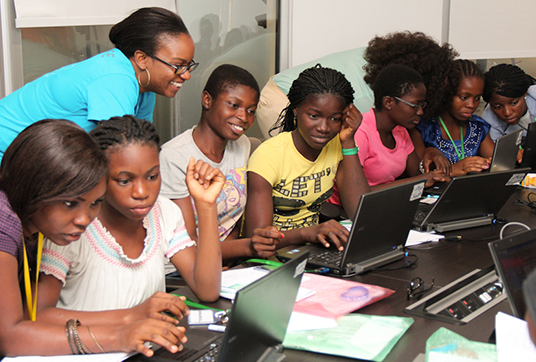
The Ripple Effect of Empowerment Beyond Bread
Empowerment doesn’t end with one individual – it multiplies. When one life is uplifted, others are inspired, supported, and set in motion. This is the true power of going beyond bread. It creates a ripple effect that spreads through families, communities, and generations.
1. Empowered Individuals Become Providers
When a widow learns a trade and begins to earn, she doesn’t just feed her children. She also becomes a role model for other women around her. Her success breeds hope. Her stability brings dignity back to her household.
2. Children See Possibility, Not Just Poverty
Empowered parents are able to educate and mentor their children. Kids raised by empowered caregivers grow up in an environment where dreams are not just allowed, they are encouraged. They begin to believe in what’s possible.
3. Communities Thrive Together
Empowerment programs often lead to the formation of cooperatives, savings groups, mentorship circles, and training hubs. This fosters collective growth. Skills are shared. Confidence is contagious. Local economies begin to shift.
4. From Beneficiaries to Givers
One of the most beautiful results of empowerment is that people who once needed help begin to offer help. We’ve seen orphans become mentors, widows become donors, and youth become community leaders. They no longer wait to receive; they initiate, create, and give back.
Empowerment Beyond Bread: How You Can Be Part of the Movement
Empowerment beyond bread isn’t the work of one person or one organization, it’s a shared mission. Whether you’re a corporate leader, a church pastor, a donor, or simply someone who wants to make a lasting difference, you have a role to play in lifting lives beyond bread.
Here’s how you can partner in this empowerment movement:
NGOs and Foundations
- Collaborate with grassroots organizations already working with vulnerable communities.
- Fund empowerment-based projects such as vocational training, entrepreneurship hubs, or tech programs for youth.
- Provide capacity building to help local teams manage and scale their impact sustainably.
Churches and Faith-Based Organizations
- Integrate empowerment into outreach by offering skill-building alongside relief during missions.
- Create empowerment ministries for widows, youth, and struggling families.
- Mobilize your congregation to support programs with their skills, time, and giving.
Corporate Organizations
- Support empowerment through CSR initiatives, adopt a community, sponsor a program, or mentor aspiring entrepreneurs.
- Organize staff volunteer days to share knowledge (digital, financial, health, etc.).
- Offer internship and apprenticeship opportunities for trained individuals from low-income backgrounds.
Individuals with a Heart to Give
- Sponsor a child, widow, or youth through an empowerment program.
- Volunteer your time or expertise, whether it’s business coaching, digital training, or motivational speaking.
- Raise awareness by sharing stories of transformation or fundraising within your network.
- Make monthly donations to support tools, training materials, and starter kits for beneficiaries.
Let’s Go Beyond Bread
Today, you’ve seen the power of empowerment beyond bread, and discovered what’s possible when we choose dignity over dependency.
Now, it’s your turn to act.
We invite you to move beyond relief – beyond one-time giving – and become a partner in empowerment. Let’s not just feed for a day. Let’s equip for a lifetime.
Here’s how you can join us:
- Give: Support our empowerment programs with a one-time or recurring donation.
- Volunteer: Share your time, skills, or mentorship with someone ready to rise.
- Connect: Partner with us as an organization, sponsor a project, or help spread the word.
Every widow trained. Every orphan educated. Every youth employed. It all begins with your choice to give not just aid—but opportunity. This is why we serve at Anire Foundation.
Together, we can lift spirits, not just hands.
Let’s go beyond bread.
Let’s build futures.

