
Every child deserves to grow up feeling safe, loved, and protected.
Yet thousands of children experience abuse, neglect, exploitation, trafficking, and violence every year, often in silence. Child protection is not only the responsibility of parents or government agencies. It is the responsibility of everyone.
Whether you are a parent, teacher, religious leader, neighbour, healthcare worker, or community volunteer, you can help protect a child. This guide explains what child protection means, how to recognize abuse, and what to do when a child may be in danger.
What is child protection?
According to UNICEF, child protection means, child protection refers to the laws, policies, services, and actions put in place to prevent and respond to abuse, neglect, exploitation, violence, and any situation that may harm a child’s well-being.
According to UNICEF, child protection means:
“Preventing and responding to violence, exploitation and abuse against children.”
Let’s look at the major areas child protection focuses on.
Child Rights vs. Child Protection: What’s the Difference?
Although the terms are often used together, they do not mean the same thing.
A simple way to understand the difference is this:
| Child Rights | Child Protection |
| Focuses on what every child is entitled to. | Focuses on keeping children safe from harm. |
| Defines children’s legal and human rights. | Describes the actions taken to protect those rights. |
| Includes rights such as education, healthcare, identity, family care, and participation. | Includes preventing abuse, neglect, trafficking, child labour, exploitation, and violence. |
| Answers the question: “What rights does every child have?” | Answers the question: “How do we protect those rights?” |
| Protected by laws such as the Child Rights Act 2003 and international treaties. | Implemented through families, schools, communities, government agencies, law enforcement, NGOs, and the justice system. |
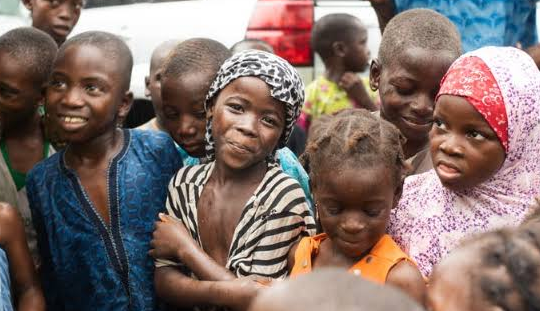
Signs That a Child May Be Experiencing Abuse
One of the biggest challenges in child protection in Nigeria is that many children never tell anyone they are being abused.
Some are too young to explain what is happening. Others are afraid they won’t be believed, fear being punished, or have been threatened into keeping silent. In some cases, children do not even realize that what they are experiencing is abuse because it has become their “normal.”
1. Physical Signs
Some forms of abuse leave visible injuries, while others do not. Although physical signs alone cannot confirm abuse, they should always be taken seriously, especially when the explanation given does not match the injury.
Watch out for:
- Frequent bruises, cuts, burns, or fractures with no reasonable explanation.
- Injuries that occur repeatedly.
- Marks that resemble belts, cords, sticks, or other objects.
- Frequent untreated illnesses or infections.
- Poor personal hygiene despite access to basic care.
- Severe weight loss or signs of malnutrition.
- Constant hunger or asking others for food.
- Wearing clothing that is inappropriate for the weather, such as long sleeves on very hot days to hide injuries.
- Difficulty walking or sitting without a clear medical reason.
- Signs of exhaustion from excessive work.
2. Behavioral Signs
Children often communicate distress through their behaviour before they can express it in words.
A child experiencing abuse may:
- Suddenly become withdrawn or unusually quiet.
- Become fearful of certain people or places.
- Avoid going home after school.
- Become unusually aggressive or violent.
- Frequently run away from home.
- Show sudden changes in eating or sleeping habits.
- Display age-inappropriate behaviour, such as excessive fearfulness or regression to earlier developmental stages.
- Become secretive about certain adults.
- Seem constantly anxious or “on edge.”
- Start taking unusual risks or engaging in self-destructive behaviour (particularly older children and teenagers).
According to Save the Children, changes in behaviour are often among the earliest signs that something is wrong, even when there are no visible physical injuries.
3. Emotional Signs
Not all abuse leaves physical scars.
Emotional abuse and neglect can have profound effects on a child’s confidence, relationships, and mental well-being.
Some emotional warning signs include:
- Persistent sadness.
- Frequent crying.
- Low self-esteem.
- Excessive guilt.
- Extreme fear of making mistakes.
- Loss of interest in activities they once enjoyed.
- Difficulty trusting adults.
- Feelings of worthlessness.
- Frequent anxiety.
- Depression.
- Emotional numbness.
Children who are constantly insulted, humiliated, threatened, or rejected may begin to believe the negative things they hear about themselves.
For example, a child who is repeatedly told, “You’re useless,” or “You’ll never succeed,” may eventually stop trying altogether—not because they lack ability, but because they no longer believe in themselves.
4. School-Related Signs
Teachers often spend several hours each day with children and are therefore among the first adults to notice changes in their behaviour.
Some school-related warning signs include:
- Frequent unexplained absences.
- A sudden drop in academic performance.
- Difficulty concentrating in class.
- Falling asleep during lessons.
- Lack of school supplies despite previous consistency.
- Reluctance to participate in school activities.
- Frequent lateness.
- Unexplained changes in friendships.
- Avoiding physical education because of hidden injuries.
- Repeatedly saying they do not want to go home.
When Several Signs Appear Together
One warning sign on its own may not indicate abuse.
For example:
- A child may perform poorly in school after the loss of a loved one.
- A bruise may result from normal childhood play.
- Temporary sadness may follow a family relocation.
However, adults should pay closer attention when:
- Several warning signs appear together.
- The behaviour changes suddenly without explanation.
- The signs persist over time.
- The child appears fearful around a specific individual.
- Injuries happen repeatedly.
- The child’s explanation seems rehearsed or inconsistent.
Trust your observations, but avoid jumping to conclusions. The goal is not to investigate or accuse, it is to notice concerns and seek appropriate help.
What Should You Do If You Notice These Signs?
If you suspect a child is being abused:
- Stay calm.
- Do not confront the suspected abuser immediately.
- Listen carefully if the child chooses to talk.
- Avoid asking leading questions or pressuring the child for details.
- Reassure the child that they did the right thing by speaking up.
- Record what you observed, using the child’s own words where possible.
- Report your concerns to the appropriate authorities or child protection services if the child may be at risk..
As child protection expert Dr. Benjamin S. Wills, a pediatrician and child abuse specialist, has noted:
“Children rarely lie about abuse. More often, they delay telling because they fear they won’t be believed.”
While every concern must be handled carefully and fairly, it is always better to report a genuine concern than to ignore warning signs that could place a child in continued danger.
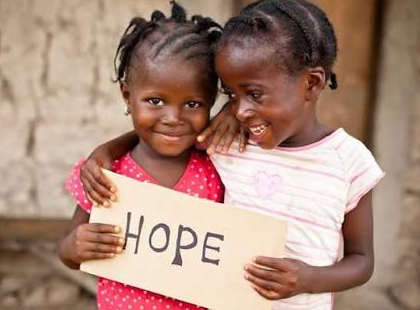
Child Protection in Nigeria: What Not to Do
Sometimes, good intentions can unintentionally make matters worse.
If you suspect child abuse, avoid the following:
- Do not ignore the warning signs because you are unsure.
- Do not confront the suspected abuser yourself, especially if doing so could put the child—or you—at risk.
- Do not pressure the child to provide every detail.
- Do not blame or criticize the child.
- Do not promise secrecy.
- Do not share the child’s story with friends, neighbours, or on social media.
Children deserve privacy and dignity.
Only share information with people who are directly responsible for protecting the child.
Who Is Responsible for Protecting Children?
One of the biggest misconceptions about child rights and protection in Nigeria is that protecting children is solely the responsibility of parents.
It isn’t.
Keeping children safe requires a collective effort. Every adult who interacts with a child, whether at home, school, in a place of worship, at a healthcare facility, or within the community, has a role to play.
Let’s look at the role each of us plays.
1. Parents: A Child’s First Protectors
Parents and legal guardians are a child’s first teachers, caregivers, and protectors.
Children depend on them for:
- Love and emotional support.
- Food and nutrition.
- Healthcare.
- Education.
- Shelter.
- Guidance.
- Protection from harm.
Parents also play a critical role in teaching children how to stay safe.
For example, parents should:
- Teach children about personal safety and body boundaries.
- Know where their children are and who they spend time with.
- Encourage open communication without fear of punishment.
- Monitor children’s online activities appropriately.
- Seek help when they feel overwhelmed instead of taking out frustration on their children.
Children who know they can talk to their parents are often more likely to report problems before they become crises.
2. Extended Family: A Valuable Support System
In many Nigerian communities, raising children is a shared responsibility.
Grandparents, aunts, uncles, older siblings, and other relatives often play active roles in children’s lives.
This support can be a great strength but it also comes with responsibility.
Extended family members should:
- Watch for signs of abuse or neglect.
- Offer support to struggling parents where possible.
- Avoid harmful disciplinary practices.
- Speak up if they believe a child’s safety is at risk.
Family loyalty should never come before a child’s safety.
3. Teachers: Trusted Adults Who Can Change Lives
Teachers spend hundreds of hours with children each year.
Because of this, they are often among the first adults to notice when something is wrong.
A teacher may observe:
- Unexplained injuries.
- Frequent absences.
- Sudden changes in behaviour.
- Constant hunger.
- Poor hygiene.
- Signs of fear or anxiety.
Rather than ignoring these warning signs, teachers should follow established safeguarding and reporting procedures.
4. Schools: Creating Safe Places for Learning
Schools should be places where children feel safe, respected, and supported.
Every school—whether public or private—should have clear child safeguarding policies.
These may include:
- Safe recruitment practices for staff.
- Background checks where applicable.
- Procedures for reporting abuse.
- Anti-bullying policies.
- Child protection training for teachers.
- Safe transportation arrangements.
- Clear supervision during school activities.
The tragic murder of Hanifa Abubakar, a five-year-old pupil abducted and killed by the proprietor of her school in Kano State in 2021, highlighted the devastating consequences that can occur when trust is abused and safeguarding measures fail.
The case prompted renewed calls for stronger school oversight, child safeguarding policies, and improved background checks for individuals working with children.
5. Religious Organizations: Protecting Both Faith and Children
Churches, mosques, and other faith-based organizations play an important role in children’s spiritual and moral development.
Because families often place great trust in religious institutions, these organizations have a special responsibility to protect children.
They should:
- Screen volunteers and staff who work with children.
- Train leaders on child safeguarding.
- Establish safe reporting channels.
- Respond appropriately to allegations of abuse.
- Cooperate with law enforcement where necessary.
Protecting children strengthens—not weakens—the credibility and integrity of religious communities.
6. Community Leaders: Setting the Standard
Traditional rulers, youth leaders, women leaders, and other respected community figures can influence attitudes and behaviours.
They can help protect children by:
- Speaking publicly against child marriage.
- Discouraging child labour.
- Supporting birth registration campaigns.
- Promoting education.
- Encouraging families to report abuse.
- Challenging harmful cultural practices that put children at risk.
When respected leaders speak, communities often listen.
7. Government Agencies: Enforcing the Law
Government has a legal duty to protect children through effective laws, policies, and services.
Several agencies play important roles in child protection in Nigeria, including:
Federal Ministry of Women Affairs
The Ministry develops policies and programmes that promote child welfare and family support.
National Agency for the Prohibition of Trafficking in Persons (NAPTIP)
NAPTIP investigates human trafficking cases, rescues victims, prosecutes traffickers, and raises public awareness.
National Human Rights Commission (NHRC)
The NHRC receives complaints relating to human rights violations, including those involving children.
Nigeria Police Force
The Police investigate criminal offences against children and work with child protection agencies in responding to abuse cases.
Some police commands also operate specialized Family Support Units or Juvenile and Women Centres to handle cases involving children and vulnerable persons.
8. Non-Governmental Organizations (NGOs)
Across Nigeria, many NGOs work tirelessly to protect vulnerable children.
They provide services such as:
- Rescue and rehabilitation.
- Legal support.
- Counselling.
- Temporary shelter.
- Public education.
- Advocacy.
- Community outreach.
- Family support programmes.
Organizations such as UNICEF, Save the Children, SOS Children’s Villages Nigeria, and many local charities work alongside government agencies to strengthen child rights and protection in Nigeria.
Their work is especially important in communities with limited access to government services.
9. Healthcare Workers: More Than Medical Care
Doctors, nurses, psychologists, community health workers, and other healthcare professionals often see children during routine consultations or emergencies.
Because of this, they may notice signs that others miss.
Healthcare workers should be alert to:
- Repeated injuries.
- Malnutrition.
- Delayed medical treatment.
- Signs of neglect.
- Behaviour suggesting abuse.
They also play a key role in documenting injuries, providing treatment, offering emotional support, and making appropriate referrals when abuse is suspected.
The World Health Organization (WHO) emphasizes that health systems play a vital role in identifying and responding to violence against children.
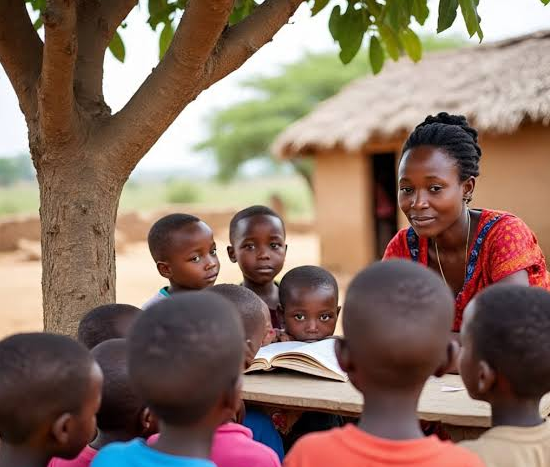
10. Neighbours: Don’t Ignore What You See
Neighbours are often among the first people to notice when something seems wrong.
Perhaps you notice:
- A child constantly left alone.
- A young child wandering late at night.
- Repeated screams coming from a nearby home.
- A child who suddenly disappears from school.
- A child who appears frightened whenever a particular adult is nearby.
Many people hesitate to act because they fear “interfering in family matters.”
But protecting children is not interference—it is responsible citizenship.
You do not need proof before raising a genuine concern. If you believe a child may be at immediate risk, report your concerns to the appropriate authorities rather than confronting the suspected abuser yourself.
Child Protection in Nigeria: Everyone’s responsibility
As Nelson Mandela famously observed:
“There can be no keener revelation of a society’s soul than the way in which it treats its children.”
Every time an adult chooses to listen to a frightened child, report suspected abuse, support a struggling family, or speak out against exploitation, they help build a safer Nigeria, one child at a time.
Child Protection in Nigeria: Common Myths About Child Rights in Nigeria
One of the biggest barriers to child rights and protection in Nigeria isn’t the absence of laws, it’s misinformation. Over the years, many myths and misconceptions have shaped how people think about children’s rights. Let’s separate fact from fiction.
Myth 1: “Child rights make children disrespectful.”
The Reality
This is perhaps the most common misconception about child rights in Nigeria.
Some people believe that teaching children about their rights encourages them to challenge parents, teachers, or other authority figures.
That is not what child rights are about.
Child rights do not teach children to disobey adults. They teach children that they deserve to be treated with dignity, respect, and safety.
Myth 2: “Parents can discipline children however they like.”
The Reality
Parents have the responsibility to discipline their children, but discipline is not the same as abuse.
The goal of discipline is to teach, guide, and correct behaviour.
Abuse causes fear, injury, humiliation, or lasting harm.
For example:
Appropriate discipline may include:
- Explaining why a behaviour is wrong.
- Setting reasonable consequences.
- Temporarily withdrawing privileges.
- Encouraging positive behaviour.
Abuse includes:
- Severe beatings.
- Burning.
- Choking.
- Locking a child in a room.
- Public humiliation.
- Threats of serious harm.
- Any punishment that causes injury or degrades the child’s dignity.
As parenting expert Dr. Benjamin Spock once said:
“The child supplies the power, but the parents have to do the steering.”
In other words, children need guidance, not violence.
Myth 3: “Child labour builds character.”
The Reality
This myth often confuses responsibility with exploitation.
Helping with age-appropriate chores can teach valuable life skills.
For example, asking a child to:
- Make their bed.
- Wash dishes.
- Sweep the compound.
- Help prepare meals.
- Assist briefly in a family business after school.
These activities can encourage responsibility and teamwork.
However, child labour is very different.
According to the International Labour Organization (ILO), child labour is work that:
- Endangers a child’s health or safety.
- Prevents them from attending school.
- Interferes with learning.
- Harms their physical or emotional development.
Myth 4: “Only poor children experience abuse.”
The Reality
Child abuse does not discriminate.
It can happen in:
- Wealthy families.
- Middle-income families.
- Low-income communities.
- Urban neighbourhoods.
- Rural villages.
- Public schools.
- Private schools.
- Religious institutions.
- Sports clubs.
Poverty can increase certain risks, such as child labour or trafficking, but abuse itself occurs across all social and economic groups. In fact, children from wealthier families may be less likely to report abuse because adults assume “everything is fine.”
Myth 5: “Reporting child abuse is interfering in family matters.”
The Reality
This belief has allowed countless cases of abuse to continue unchecked.
Protecting children is not gossip. It is not disrespect.
It is not interfering. It is fulfilling a moral and civic responsibility.
Many adults remain silent because they fear:
- Damaging relationships.
- Being accused of meddling.
- Retaliation from neighbours or relatives.
- Being wrong.
These fears are understandable.
However, if genuine concerns are never reported, children may continue to suffer in silence.
Remember:
Reporting a concern does not mean accusing someone of a crime.
It simply means asking the appropriate authorities to assess whether a child is safe.
The investigation—not the report—determines whether abuse has occurred.
As Kailash Satyarthi, Nobel Peace Prize laureate and global child rights advocate, has said:
“Silence is the greatest enemy of children’s rights.”
Speaking up could be the first step toward saving a child’s life.
Myth 6: “Children always lie about abuse.”
The Reality
This misconception deserves special attention because it often discourages adults from taking children’s disclosures seriously.
While children, like adults, can sometimes misunderstand events or give incomplete accounts, research shows that false reports of abuse are relatively uncommon, especially among younger children. More often, children delay speaking up because they fear they will not be believed or worry about the consequences for themselves or their families.
The best response is neither to assume the child is telling the truth nor to assume they are lying. Instead:
- Listen carefully.
- Stay calm.
- Avoid leading questions.
- Report the concern to the appropriate professionals who are trained to assess the situation.
According to National Children’s Advocacy Center, taking a child’s concern seriously does not mean rushing to judgment. It means ensuring that the child is heard and that the facts are properly investigated.
As Nelson Mandela wisely observed:
“Safety and security don’t just happen; they are the result of collective consensus and public investment. We owe our children—the most vulnerable citizens in any society—a life free from violence and fear.”
The more Nigerians replace myths with facts, the closer we come to creating a country where every child can learn, play, dream, and thrive in safety.
Child Protection in Nigeria: Small Actions Can Create Lifelong Change
It’s easy to believe that protecting children requires extraordinary resources or specialized training.
The truth is, many acts of child protection begin with ordinary people making everyday choices.
A neighbour who reports suspected neglect.
A teacher who notices a worrying change in behaviour.
A doctor who asks one more question.
A community leader who speaks against child marriage.
A parent who chooses positive discipline over violence.
A volunteer who mentors a vulnerable child.
Each action may seem small on its own, but together they create safer communities where children can thrive.
As Desmond Tutu, Nobel Peace Prize laureate and lifelong advocate for justice, once said:
“There comes a point where we need to stop just pulling people out of the river. We need to go upstream and find out why they’re falling in.”
That is the essence of child protection in Nigeria. It is not only about responding after harm has occurred but also about preventing abuse, strengthening families, promoting education, and creating environments where every child is safe, valued, and given the opportunity to reach their full potential.
When every Nigerian chooses to play their part, we move one step closer to a nation where every child grows up protected, respected, and empowered.
Key Takeaways
If you remember only one thing from this guide, let it be this:
- Learn children’s rights and the laws that protect them.
- Never ignore signs of abuse or neglect.
- Report genuine concerns through the appropriate channels.
- Support vulnerable children and families in your community.
- Volunteer your time, skills, or resources where you can.
- Promote education as a pathway to protection.
- Support reputable organizations working for children’s welfare.
- Use your voice to advocate for stronger child protection policies and practices.
Protecting children isn’t about doing everything, it’s about doing something.
If this article has inspired you, we invite you to partner with us in restoring hope and protecting the future of vulnerable children.
Account Name: Anire Welfare Foundation for Widows, Orphans and Pastors
Account Number: 1310011788
Bank: Zenith Bank
For our friends and supporters in Canada:
Interac e-Transfer: anirefoundation@gmail.com
Sources
- UNICEF Nigeria – Child Protection: https://www.unicef.org/nigeria/child-protection
- UNICEF – Child Protection: https://www.unicef.org/protection
- UNESCO – Education: https://www.unesco.org/en/education
- Child Rights Act 2003: https://placng.org/lawsofnigeria/node/244
- National Agency for the Prohibition of Trafficking in Persons (NAPTIP): https://naptip.gov.ng
- National Human Rights Commission (NHRC): https://nigeriarights.gov.ng
- Federal Ministry of Women Affairs: https://womenaffairs.gov.ng
- World Health Organization – Violence Against Children: https://www.who.int/news-room/fact-sheets/detail/violence-against-children
- UNICEF – Child Protection: https://www.unicef.org/protection
- UNICEF Nigeria – Child Protection: https://www.unicef.org/nigeria/child-protection
- World Health Organization – Violence Against Children: https://www.who.int/news-room/fact-sheets/detail/violence-against-children
- National Children’s Advocacy Center – Responding to Child Abuse Disclosures: https://www.nationalcac.org
- Nigeria Police Force: https://www.npf.gov.ng
- National Agency for the Prohibition of Trafficking in Persons (NAPTIP): https://naptip.gov.ng
- National Human Rights Commission: https://nigeriarights.gov.ng
- Child Rights Act 2003: https://placng.org/lawsofnigeria/node/244
- UNICEF Nigeria – Child Protection: https://www.unicef.org/nigeria/child-protection
- Federal Ministry of Women Affairs: https://womenaffairs.gov.ng
- National Agency for the Prohibition of Trafficking in Persons (NAPTIP): https://naptip.gov.ng
- National Human Rights Commission (NHRC): https://nigeriarights.gov.ng
- Nigeria Police Force: https://www.npf.gov.ng
- World Health Organization – Violence Against Children: https://www.who.int/news-room/fact-sheets/detail/violence-against-children
- BBC News – Hanifa Abubakar case: https://www.bbc.com/news/world-africa-60135938
- Reuters – Hanifa Abubakar case: https://www.reuters.com/world/africa/nigerian-school-proprietor-sentenced-death-kidnapping-killing-5-year-old-pupil-2022-07-28/
- UNICEF Nigeria: https://www.unicef.org/nigeria
- International Labour Organization (ILO): https://www.ilo.org/topics/child-labour
- National Agency for the Prohibition of Trafficking in Persons (NAPTIP): https://naptip.gov.ng
- World Health Organization (WHO): https://www.who.int/news-room/fact-sheets/detail/violence-against-children
- UNESCO – Education: https://www.unesco.org
- Lagos State Domestic and Sexual Violence Agency: https://lagosdsva.org
- UNICEF – Cyberbullying: https://www.unicef.org/end-violence/how-to-stop-cyberbullying
- UNICEF – Keeping Children Safe Online: https://www.unicef.org/end-violence/keeping-children-safe-online
- World Health Organization (WHO) – Violence Against Children: https://www.who.int/news-room/fact-sheets/detail/violence-against-children
- UNICEF Nigeria – Child Protection: https://www.unicef.org/nigeria/child-protection
- Save the Children – Recognizing Signs of Child Abuse: https://www.savethechildren.org/us/charity-stories/signs-of-child-abuse
- U.S. Centers for Disease Control and Prevention (CDC) – Preventing Child Abuse and Neglect: https://www.cdc.gov/violenceprevention/childabuseandneglect
- BBC News: https://www.bbc.com/news/world-africa-60135938
- Reuters: https://www.reuters.com/world/africa/nigerian-school-proprietor-sentenced-death-kidnapping-killing-5-year-old-pupil-2022-07-28/

